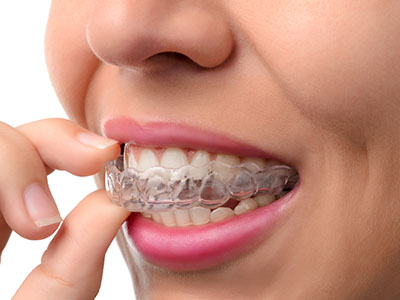
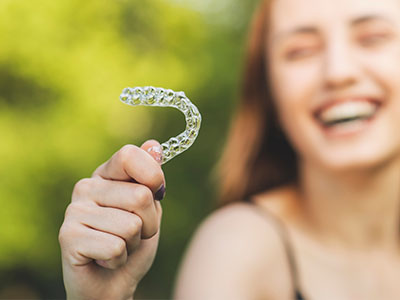
Invisalign® has redefined how people approach orthodontic care: instead of fixed metal brackets and wires, a series of clear, custom-made aligners gently guide teeth into place. The result is a straighter smile achieved with fewer visual reminders of treatment and with day-to-day routines that remain largely unchanged. For many adults and teens, this balance of efficacy and discretion makes clear aligner therapy an attractive option.
Clear aligners are designed with lifestyle in mind. Because they’re virtually transparent and fit snugly over the teeth, they reduce the social visibility associated with traditional braces. This can be particularly appealing for people whose professional or personal lives make them sensitive to the appearance of orthodontic hardware.
Beyond aesthetics, aligners simplify daily hygiene. Since they are removable, brushing and flossing remain straightforward — there’s no need to navigate around brackets or worry about trapped food. That can translate to better gum health and fewer hygiene-related setbacks during treatment.
Comfort is another practical advantage. Aligners are made from smooth, medical-grade plastic and are changed out regularly to apply gentle forces to the teeth. Many patients report less soreness and fewer emergency visits than they would experience with appliances that use wires and periodic tightening.

Invisalign® for Teens

Invisalign® for Brides

Invisalign® for Travelers
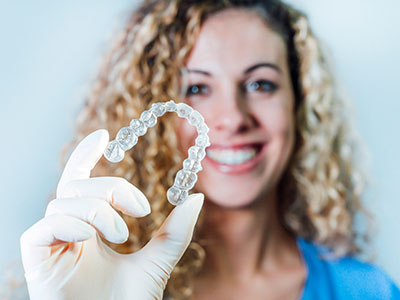
Before & After Photos
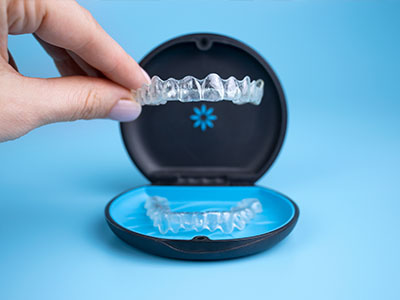
Invisalign® Videos
FAQs
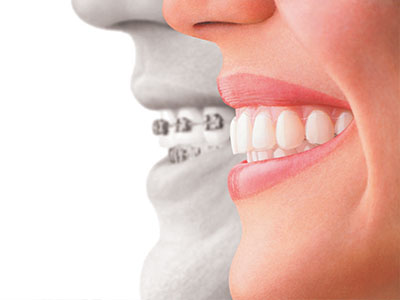
Invisalign® vs Braces
Invisalign® vs Direct-To-Consumer Aligners
Is Invisalign® Right For Me?

Invisalign® Costs
Today’s aligner workflows rely on digital precision. A detailed 3-D scan of your teeth replaces traditional putty impressions in most cases, producing highly accurate data for the treatment plan. That data is used to visualize each stage of tooth movement so your care team can design a sequence of aligners that progresses predictably from the current alignment to the target result.
Software tools allow clinicians to plan tooth movements with fine control, anticipate necessary attachments or refinements, and review a simulation of how teeth will shift over time. These digital previews help set clear expectations and allow the dental team to tailor treatment to individual goals and clinical needs.
Because planning is digital and reproducible, adjustments can be implemented efficiently. If refinements are needed, new scans and aligner runs can be ordered and integrated into the treatment pathway without starting over, keeping progress concentrated on meaningful, measurable change.
The journey begins with a consultation and a clinical examination, where the dental team assesses bite relationships, gum health, and any restorative needs that could influence treatment. If clear aligners are a suitable option, a digital scan or impression captures the starting point for the plan.
Once your custom plan is finalized, a series of aligners is produced to guide tooth movement in small, controlled steps. You’ll typically wear each aligner for a prescribed period before moving to the next in the sequence. Regular check-ins allow your provider to monitor progress and make adjustments if necessary.
During treatment you’ll maintain routine dental care, and your provider may recommend simple measures like using small, tooth-colored attachments or elastics in select cases to achieve specific movements. These adjuncts are discreet and work with the aligners to expand what’s possible without traditional braces.
Good aligner care is straightforward but important. Rinse and clean trays each day with the methods recommended by your provider to prevent buildup and preserve clarity. Avoid exposing aligners to high heat or abrasive materials that could warp or scratch the plastic.
When eating or drinking anything other than plain water, remove your aligners to protect them and to keep the teeth free of food debris. Store trays in a case whenever they’re out of your mouth so they remain safe and sanitary between uses.
After the active phase of treatment, many patients transition to a retention plan. Retainers help preserve the alignment gains achieved with the aligners. Your dental team will outline a retention schedule designed to maintain your results and the health of the supporting tissues.
Clear aligners are well-suited for a broad range of alignment concerns, including mild to moderate crowding, spacing, and some bite irregularities. They are commonly chosen by adults seeking an unobtrusive option and by adolescents who can commit to the daily wear schedule required for successful outcomes.
Success with aligners depends largely on patient cooperation: wearing trays for the recommended number of hours each day and following care instructions are essential. In more complex cases, aligners may be used alongside targeted restorative treatments or minor surgical procedures to address underlying issues.
If you’re unsure whether clear aligners are the right path, a clinical exam and digital assessment will provide clarity. The office of Bella Vida Dental evaluates each case on its merits and recommends the most predictable, conservative approach to reach your goals.
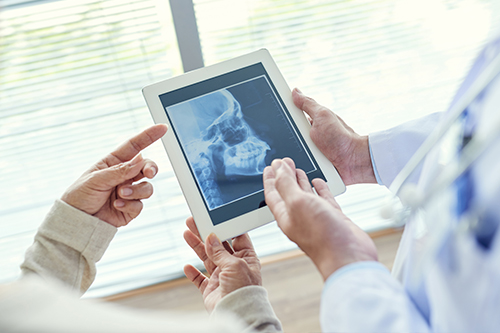
Every treatment begins with a focused conversation about your concerns, followed by an evaluation that maps dental health to aesthetic goals so the plan aligns with what matters most to you.
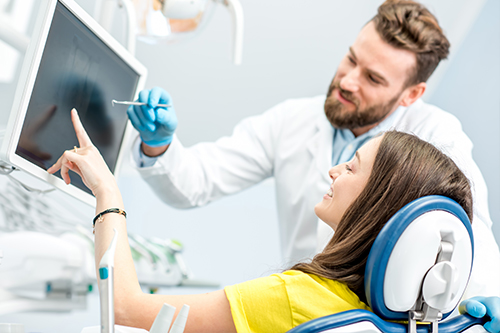
Advanced intraoral scanning replaces messy impressions in many cases and generates the precise models needed to design a reliable series of aligners.
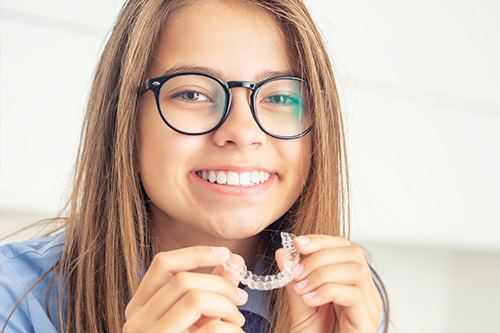
Aligners are thermoformed to fit your dentition specifically, emphasizing a smooth profile and controlled forces so teeth move steadily and comfortably.

From the first set of trays to the final retainer, your provider monitors progress and advises on upkeep so small refinements can be made when needed.
Watch short videos that illustrate aligner wear, care tips, and the clinical workflow used in modern clear aligner therapy
*Invisalign® is a registered trademark of Align Technology, Inc.
Clear aligner therapy offers a discreet, digitally driven path to a healthier, more confident smile. If you have questions about whether Invisalign® could meet your goals, the team at Bella Vida Dental can assess your needs and discuss a tailored plan. Contact us for more information.
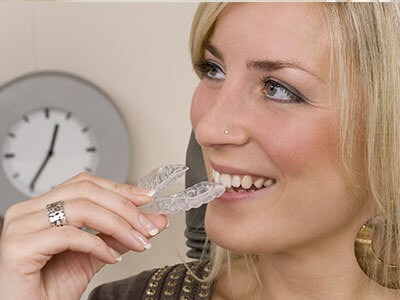

There are many options for patients who want to avoid metal braces! The most popular alternative orthodontic treatment is Invisalign®, which are clear plastic aligners designed to straighten teeth. After an examination of your teeth, your dentist will determine which option is best suited to your wants and needs.
According to the Invisalign® website, the cost for treatment is approximately the same as the cost for metal braces. A portion of this cost may be covered by your insurance. Please call us to set up a consultation and discuss potential payment plan options.
The first step is to schedule a consultation with your doctor, so they can devise a treatment plan that is best suited to your individual dental needs. Once approved, you will receive your first set of aligners. Your doctor will then regularly monitor the movement of your teeth and new aligners will be ordered according to the progress made in your treatment plan.
Invisalign® aligners are made of clear, flexible plastic. The company received a patent for this material – SmartTrack® – to be used exclusively for Invisalign treatment purposes. These aligners are FDA approved and nearly invisible!
Your doctor will give you an estimate regarding how long your Invisalign® treatment should take, which will depend on your specific needs. The average length of time for treatment is approximately 12-18 months. However, some patients may see results far sooner. Remember to wear your aligners exactly as instructed by your doctor to obtain the best results.
Your doctor will most likely recommend that you wear retainers following your Invisalign® treatment. This is a precaution that will prevent your teeth from shifting back to their original positioning. It is important to follow your doctor's instructions exactly to ensure long-lasting results.
You must wear your aligners for up to 22 hours daily. You may remove them for eating, drinking and regular oral hygiene.
No. Unlike braces, you may eat whatever you like as long as you remove the aligners before eating. Prior to placing the aligners back on, it is important to brush your teeth and the aligners after you eat.
Like any orthodontic treatment, there is a short adjustment period. The more you speak with the aligners on, the quicker you will adjust.
There will be some pressure and minor discomfort for a day or two after each initial insertion. This is a sign that your teeth are moving sequentially into their final position.
It is recommended that you remove your aligners prior to chewing gum as the gum will stick to the aligners.
We discourage smoking with aligners as the cigarette smoke will tend to discolor them.
Brushing them with toothpaste will keep them fresh and clean.
Regular office visits are every five to six weeks. This will ensure that your Invisalign treatment is progressing as planned.
All orthodontic patients are instructed to wear their retainers at night indefinitely. Sleeping with your retainers in at night will ensure a healthy bite and maintain the new position of your teeth.
Yes, if their teeth, including second molars, have grown in completely.
Invisalign® uses a series of clear, custom-made aligners that fit over the teeth and apply gentle, controlled forces to move teeth into new positions. Each aligner is designed for a specific stage of movement and is worn for a prescribed period before switching to the next tray. This stepwise approach allows teeth to shift predictably while minimizing the discomfort often associated with wire adjustments.
The system is removable, which makes hygiene and eating less disruptive than with fixed braces. Most patients wear aligners for the majority of each day, removing them only to eat, drink, and perform oral hygiene. Digital treatment planning and regular monitoring help ensure the sequence of aligners progresses toward the planned outcome.
Good candidates for Invisalign® include adults and responsible adolescents with mild to moderate crowding, spacing, or certain bite irregularities. Success depends on consistent wear and good oral hygiene, so patient cooperation is a key factor. Complex skeletal issues or severe malocclusions may require alternative or adjunctive treatments to achieve the most predictable result.
A comprehensive clinical exam and digital scan determine whether clear aligners are appropriate and identify any restorative or periodontal concerns that should be addressed first. In some cases, aligners can be combined with restorative work or limited surgical procedures to support the overall treatment goals. Your provider will recommend the most conservative, effective path based on the examination findings.
Digital planning begins with a high-resolution intraoral scan or detailed impressions that create an accurate 3-D model of your teeth. Specialized software maps each planned movement and generates a visual simulation of the treatment sequence, helping patients and clinicians understand expected changes. This technology improves predictability and reduces the risk of unexpected outcomes during the active phase of treatment.
At Bella Vida Dental, our team uses digital previews to refine goals, plan attachments, and anticipate where refinements may be needed so treatment stays efficient. Because the workflow is reproducible, additional scans and new aligner runs can be ordered if midcourse corrections become necessary without restarting the entire plan. The result is a more individualized treatment pathway that aligns clinical judgment with precise manufacturing.
The process starts with a consultation and clinical exam to evaluate bite, gum health, and any restorative needs that could influence alignment. If aligners are appropriate, a digital scan captures the starting position and the care team designs a custom treatment sequence. After the aligners are fabricated, you begin wearing each set according to the prescribed schedule while following oral hygiene recommendations.
Regular check-ins let the provider monitor progress and address any concerns, making small adjustments or ordering refinements if necessary. Some cases require tooth-colored attachments or elastics to achieve specific movements; these aids work discreetly with the aligners. Once the active phase is complete, a tailored retention plan preserves the results and supports long-term stability.
Daily cleaning is important: rinse aligners frequently and follow the cleaning method recommended by your provider to avoid buildup and maintain clarity. Avoid hot water and abrasive materials that can warp or scratch the plastic, and always store trays in a protective case when they are out of your mouth. Protecting the aligners also means removing them for meals and brushing before reinserting to prevent staining and decay.
After finishing active treatment, most patients transition to a retention plan that may include removable retainers to preserve alignment gains. Following the recommended retainer schedule and keeping routine dental visits helps maintain both the cosmetic result and the health of supporting tissues. If you notice any changes in tooth position, contact your provider early so minor corrections can be addressed before they progress.
Tooth-colored attachments are small composite anchors bonded to specific teeth to provide the aligners with purchase for complex movements. Elastics are sometimes prescribed to correct bite relationships, working in conjunction with the aligners to influence jaw position. Both attachments and elastics are applied selectively based on treatment goals and are designed to be as unobtrusive as possible.
Their use expands the range of movements achievable with clear aligners and can reduce the need for more invasive alternatives in many cases. Your clinician will explain when these adjuncts are necessary, how to care for them, and what to expect during the days you wear them. Proper adherence to instructions for attachments and elastics is important for maintaining treatment efficiency and predictability.
Treatment length varies with the complexity of the case and patient-specific factors, and it commonly ranges from several months to about 18 months. Simpler cosmetic corrections can be completed more quickly, while cases requiring significant tooth movement or bite changes typically take longer. The number of aligner sets and any required refinements also influence the total timeframe.
Patient compliance is one of the most important determinants of timing—wearing the trays for the recommended hours each day keeps progress on schedule. Other factors that affect duration include age, the need for attachments or elastics, and whether preexisting dental work or periodontal issues must be addressed first. During treatment, periodic reviews help the team track progress and adjust the timeline if refinements become necessary.
Some patients experience a mild lisp or slight change in speech for a few days when they first begin wearing aligners, but most adapt quickly as the tongue learns the new contours. Comfort is generally improved compared with traditional braces because aligners are made from smooth, medical-grade plastic and do not have protruding wires. Short-term tenderness is common after switching to a new set of trays as teeth respond to programmed forces.
These sensations usually ease within a few days and can be managed with over-the-counter pain relievers when needed and by following wearing recommendations. If speech changes or discomfort persist beyond the initial adaptation period, your provider can evaluate the fit and consider minor adjustments. Open communication during check-ins helps ensure that comfort and function are maintained throughout treatment.
Invisalign® offers a discreet, removable alternative to fixed appliances, which can make daily hygiene and eating less restrictive during treatment. Its smooth profile often results in less soft-tissue irritation and fewer emergency visits for broken wires or brackets. The ability to preview treatment digitally provides clearer expectations about tooth movement and final results.
However, traditional braces may still be the better choice for certain complex tooth movements or severe bite corrections where fixed mechanics provide more control. An individualized assessment determines which option provides the most predictable, efficient path to your goals. Your provider will discuss the clinical advantages and limitations of both approaches before recommending a plan.
The office of Bella Vida Dental begins with a thorough consultation, clinical exam, and digital scan to create a personalized treatment plan that reflects both functional needs and aesthetic goals. Our team reviews the digital simulation with patients, discusses possible adjuncts like attachments or elastics, and outlines the monitoring schedule for progress checks. Clear communication and in-office guidance help patients stay informed and confident at every stage of treatment.
Throughout the active phase, we provide follow-up appointments to assess tooth movement, manage refinements when needed, and coordinate any restorative care that supports the overall outcome. When treatment is complete, we prescribe a retention plan and review long-term maintenance to preserve results and oral health. Patients are encouraged to contact the practice with questions so small concerns can be addressed promptly and treatment remains on track.

Ready to schedule your next dental appointment or have questions about our services?
Contacting Bella Vida Dental is easy! Our friendly staff is available to assist you with scheduling appointments, answering inquiries about treatment options, and addressing any concerns you may have. Whether you prefer to give us a call, send us an email, or fill out our convenient online contact form, we're here to help. Don't wait to take the first step towards achieving the smile of your dreams – reach out to us today and discover the difference personalized dental care can make.