Even the most careful home-care routine can miss the tight spaces and mineralized deposits that form over time. Professional dental cleanings bridge that gap by removing plaque and tartar, checking the health of your gums, and helping you keep small problems from becoming bigger ones. At Bella Vida Dental, we view cleanings as the foundation of preventive care — a practical, routine service that preserves both oral health and everyday comfort.
Plaque is a living film of bacteria that accumulates on teeth and along the gumline. When plaque hardens into tartar (calculus), it becomes difficult to remove with brushing alone and provides a foothold for bacteria that can inflame the gums. Regular professional cleanings remove these deposits and reduce the bacterial load in the mouth, which lowers the risk of cavities and slows the progression of gum disease.
Beyond the teeth and gums, emerging evidence links chronic oral inflammation with broader health concerns. Addressing gum inflammation early through routine maintenance can help control local infection and make it easier to manage overall wellness. While routine cleanings are not a substitute for medical care, they are an important part of a preventive approach that supports long-term health.
For most patients, we recommend maintaining cleanings at regular intervals so we can monitor changes, remove new build-up, and catch issues while they’re still simple to treat. How often you return depends on your individual risk factors — including oral hygiene habits, medical history, and gum health — and we’ll work with you to establish a schedule that fits your needs.
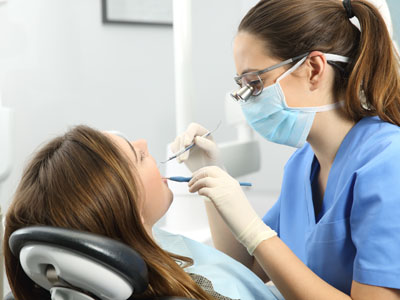
A dental cleaning is a straightforward, step-by-step process designed to be efficient and comfortable. The hygienist begins by visually evaluating your mouth, looking for signs of gum inflammation, cavities, or other concerns. Next comes the removal of plaque and tartar using a combination of hand instruments and an ultrasonic scaler, which loosens and flushes away deposits with gentle vibrations and water.
After deposits are removed, the hygienist typically smooths and polishes the tooth surfaces. This removes superficial stains and makes it harder for new plaque to adhere. The cleaning session often concludes with flossing and a final check to ensure all areas feel clean, plus personalized advice on technique and tools that will help you maintain results between visits.
If you have sensitive areas, the team can take steps to minimize discomfort — from changing instrument technique to applying topical desensitizing agents. Our goal is for each cleaning to be a positive experience that leaves your mouth feeling refreshed and your confidence restored.
Not every mouth is the same, and some patients require a more targeted approach when signs of gum disease appear. When pockets of deep tartar and inflammation are present below the gumline, a series of specialized visits may be recommended to thoroughly clean those areas and promote tissue healing. These deeper cleanings are performed with care and aim to reduce pocket depth and bacterial irritants that harm the gums.
Follow-up monitoring is an important part of periodontal care. After a focused cleaning, we reassess gum health and may suggest changes in home care, additional professional cleanings at shorter intervals, or coordination with a periodontist for advanced treatment if needed. The objective is always to stabilize gum health and prevent further tissue breakdown.
Preventive vigilance matters: with the right combination of professional treatment and home care, many patients maintain healthy gums for years. Your hygienist will explain the condition of your gums in clear terms, outline the recommended plan, and answer any questions about what to expect during and after deeper cleanings.
A professional cleaning resets the baseline for your oral health, but daily habits determine how long that fresh feeling lasts. Brushing twice a day with a soft-bristled brush, flossing or using interdental cleaners daily, and avoiding frequent sugary snacks are the most effective, proven ways to keep plaque from rebuilding quickly. Small, consistent actions yield the best long-term results.
Choosing the right products and techniques matters. Fluoride toothpaste strengthens enamel, and for many patients an antimicrobial mouthrinse or a specific flossing tool can make hygiene easier and more effective. Your hygienist will recommend products that suit your needs and demonstrate techniques so you feel confident at home.
Diet and lifestyle choices also play a role. Limiting highly acidic or sugary foods reduces enamel wear and bacterial fuel, while staying hydrated helps saliva do its natural protective work. Together, these habits amplify the benefit of each professional visit and reduce the likelihood of future problems.
We recognize that appointments should be comfortable and reassuring. The clinical team uses careful instrument handling, clear communication, and available sensitivity options to make the cleaning process pleasant for people of all ages. If you have anxiety or specific sensitivity concerns, discuss them with us so we can adapt your appointment accordingly.
Infection control and patient safety are non-negotiable priorities. Sterilization protocols, disposable barriers, and up-to-date equipment ensure every visit is conducted to current safety standards. We also maintain thorough records so your preventive care is coordinated and consistent across visits.
Finally, every cleaning visit is an opportunity to partner with you on long-term goals for your smile. Whether your focus is comfort, cosmetic improvement, or maintaining a healthy foundation for restorative care, the team provides clear guidance and practical steps you can take between appointments.
Regular dental cleanings are a simple, effective way to protect your smile and support your overall health. If you’d like to learn more about how we tailor preventive care to your needs, please contact Bella Vida Dental for more information.


A professional dental cleaning is a preventive appointment where a licensed hygienist removes plaque and hardened tartar from tooth surfaces and along the gumline. The process typically includes a visual exam, scaling with ultrasonic and hand instruments, polishing, flossing and personalized guidance. Cleanings remove bacterial deposits that cannot be eliminated reliably by home care alone and provide an early opportunity to detect decay or gum disease.
At Bella Vida Dental we consider cleanings the foundation of preventive care and tailor each visit to a patient's needs. Routine appointments help preserve enamel, reduce inflammation and support long-term oral health. Hygienists document findings and coordinate with the dentist when restorative or specialist care is recommended.
Regular cleanings lower the oral bacterial load by removing plaque and calculus that foster gum inflammation. This reduction in chronic oral inflammation makes it easier to manage local infections and may reduce risk factors associated with systemic conditions. While cleanings are not a substitute for medical care, they are an important component of a preventive approach that supports overall wellness.
Hygienists monitor gum health and note changes over time so problems are caught early. Early intervention through maintenance appointments can prevent progression and minimize the need for more invasive treatment. They also provide tailored home-care recommendations to help control risk between visits.
Frequency depends on individual risk factors such as gum health, oral hygiene habits, medical history and tobacco use. For many patients, a visit every six months is sufficient to control new buildup and allow the team to monitor changes. Patients with active gum disease, a history of rapid buildup or certain medical conditions may need more frequent maintenance.
Your hygienist or dentist will assess your needs and create a schedule that balances effective prevention with convenience. That plan can be adjusted over time as your oral condition and lifestyle change. Regular reassessment ensures you return at intervals that keep problems small and manageable.
The appointment begins with a visual exam and charting to identify areas of concern. The hygienist removes plaque and tartar using ultrasonic scalers and hand instruments, then polishes teeth to reduce surface stains. Flossing and a final check complete the clinical portion of the visit.
The hygienist will discuss any findings, review home care techniques and may recommend products that suit your needs. If cavities or other issues are detected, the team will explain next steps and coordinate follow-up care with the dentist. Appointments are focused on comfort and staff can modify techniques for sensitivity when necessary.
Most cleanings are comfortable and well tolerated, though sensations vary by person and by the condition of the gums. Patients with inflamed tissues or heavy calculus buildup may experience temporary sensitivity during treatment. The team uses gentle techniques and can pause or adjust to manage discomfort.
Topical desensitizing agents, altered instrument technique and pacing can make the visit more comfortable for sensitive patients. Communicating concerns ahead of time allows the team to tailor the appointment so that care is both effective and reassuring. For patients with dental anxiety, the office can discuss additional comfort measures to help you relax.
Deep cleaning, often called scaling and root planing, targets deposits and bacterial toxins below the gumline to help shrink periodontal pockets and promote reattachment of the gum to the tooth. The procedure is performed in focused visits and may be completed quadrant by quadrant depending on severity. It is recommended when periodontal measurements show pocketing or when signs indicate active gum disease.
After scaling and root planing, follow-up visits assess healing and determine whether further periodontal maintenance or specialist referral is needed. Home-care improvements and more frequent professional cleanings are common components of the long-term plan to stabilize gum health. The goal is to control infection, reduce pocket depth and preserve supporting tissues.
Preparing is simple: bring a list of current medications and report any changes in your medical history or recent health events. If you have removable prosthetics or appliances, bring them or mention them so the team can address related hygiene needs. Avoiding heavy meals and arriving on time helps keep the visit on schedule.
If you experience dental anxiety or have sensitivity, let the office know when scheduling so staff can plan comfort options. Clear communication ensures the visit is tailored to your needs and that any necessary coordination with the dentist is arranged. For patients with specific medical conditions, the hygienist may coordinate with your physician when appropriate.
Immediately after a cleaning you may notice smoother tooth surfaces and reduced gum tenderness, and mild sensitivity is common for a day or two when inflamed areas were treated. Any bleeding should subside quickly with good home care, and severe or persistent symptoms should be reported to the office. Maintaining recommended hygiene and follow-up intervals helps sustain the benefits.
The duration of a "fresh" feeling depends on oral hygiene, diet and individual biology; many patients retain the benefits for several months with proper care. Regular professional visits and consistent home routines are the best ways to extend the positive effects of each cleaning. Your hygienist can give personalized timelines based on how quickly plaque and tartar tend to reaccumulate.
Daily brushing with a fluoride toothpaste, flossing or using interdental cleaners and limiting frequent sugar intake are the cornerstones of home maintenance. Choosing a soft-bristled brush and brushing for two minutes twice daily helps minimize enamel wear while effectively removing plaque. For some patients, an antimicrobial rinse or a specific flossing tool can make cleaning between teeth more effective.
Your hygienist will demonstrate techniques and recommend products tailored to your needs, including options for sensitive teeth or orthodontic appliances. Consistency in these habits reduces the need for corrective care and supports the long-term success of preventive visits. Lifestyle choices such as staying hydrated and avoiding tobacco also contribute to sustained oral health.
Infection control and patient safety follow current professional standards, with sterilization of instruments, disposable barriers and strict hand hygiene. Equipment such as ultrasonic scalers and suction is maintained and used according to manufacturer and regulatory guidance. These practices protect patients and staff during every preventive visit.
At Bella Vida Dental the clinical team documents care carefully and follows protocols to maintain a clean, organized environment for all appointments. If you have questions about specific safety measures, the office staff will explain protocols and how they support a confident and comfortable experience. Patient records and consistent scheduling also help minimize cross-contact and ensure individualized care.

Ready to schedule your next dental appointment or have questions about our services?
Contacting Bella Vida Dental is easy! Our friendly staff is available to assist you with scheduling appointments, answering inquiries about treatment options, and addressing any concerns you may have. Whether you prefer to give us a call, send us an email, or fill out our convenient online contact form, we're here to help. Don't wait to take the first step towards achieving the smile of your dreams – reach out to us today and discover the difference personalized dental care can make.