When a tooth loses healthy structure because of decay or a small fracture, a filling is a conservative way to rebuild form and function. The goal of a modern restoration is not only to stop the spread of decay but also to re-establish chewing efficiency, protect the remaining tooth, and preserve the natural alignment of surrounding teeth.
Dental decay remains a common oral health concern across age groups, and timely treatment prevents minor problems from becoming complex ones. Fillings are among the most frequently performed restorative procedures because they remove diseased material and replace it with a material chosen specifically for durability and appearance.
At Bella Vida Dental, we focus on treatments that balance longevity with a natural look. Whether the goal is to eliminate sensitivity, restore a bite surface, or improve the appearance of a visible tooth, a carefully placed filling can return comfort and function with minimal disruption to daily life.
Attempts to repair teeth go back thousands of years, but dental materials have advanced dramatically in recent decades. For much of recent history, metal alloys like amalgam were the go-to choice for their resilience. Today’s restorative options add aesthetic appeal and avoid metals while still delivering dependable performance.
Contemporary materials allow dentists to match tooth color, bond directly to the remaining tooth structure, and conserve more healthy enamel and dentin during preparation. These improvements have shifted care toward solutions that are less noticeable, gentler on adjacent tissues, and better suited to long-term oral health.

Choosing the right material for a restoration depends on the tooth’s location, the size of the cavity, cosmetic priorities, and how the tooth bears force when you chew. Modern dentistry provides a range of proven materials so your dentist can recommend the best match for your needs.
Below are commonly used filling options and the practical benefits they bring. Understanding these differences can help you participate in treatment decisions with confidence.
Composite fillings are made from a blend of resin and finely ground glass or ceramic particles. They come in multiple shades so the restoration can blend seamlessly with adjacent teeth. Because they bond directly to tooth structure, composites often require less removal of healthy tooth tissue and can strengthen the repaired area.
Composites are versatile and are used for small to medium cavities and cosmetic repairs. They can be sensitive to heavy wear over many years and may need replacement sooner than ceramic in very high-stress areas, but their aesthetic advantage makes them the preferred choice for front and visible teeth.
Amalgam has a long track record of durability and is particularly resistant to the forces of chewing. While less commonly selected for visible areas due to its metallic color, amalgam remains an effective option for back teeth where strength and longevity are the primary concerns.
Glass ionomer materials chemically bond to tooth structure and slowly release fluoride, which can help protect the treated area from further decay. They are often used in primary (baby) teeth, at the gumline, or as temporary restorations when a more permanent solution will be placed later.
Ceramic restorations are crafted outside the mouth and then bonded into place. They combine excellent wear resistance with very lifelike color and translucency. Because they preserve more tooth structure than full crowns and resist staining, ceramics are an attractive option for larger cavities that still have enough healthy tooth left.
Gold is rarely chosen for cosmetic reasons today but remains among the most durable restorative materials. It performs well under heavy chewing forces and is highly biocompatible. Where longevity and fit are paramount, gold inlays and onlays can still be a reliable solution.
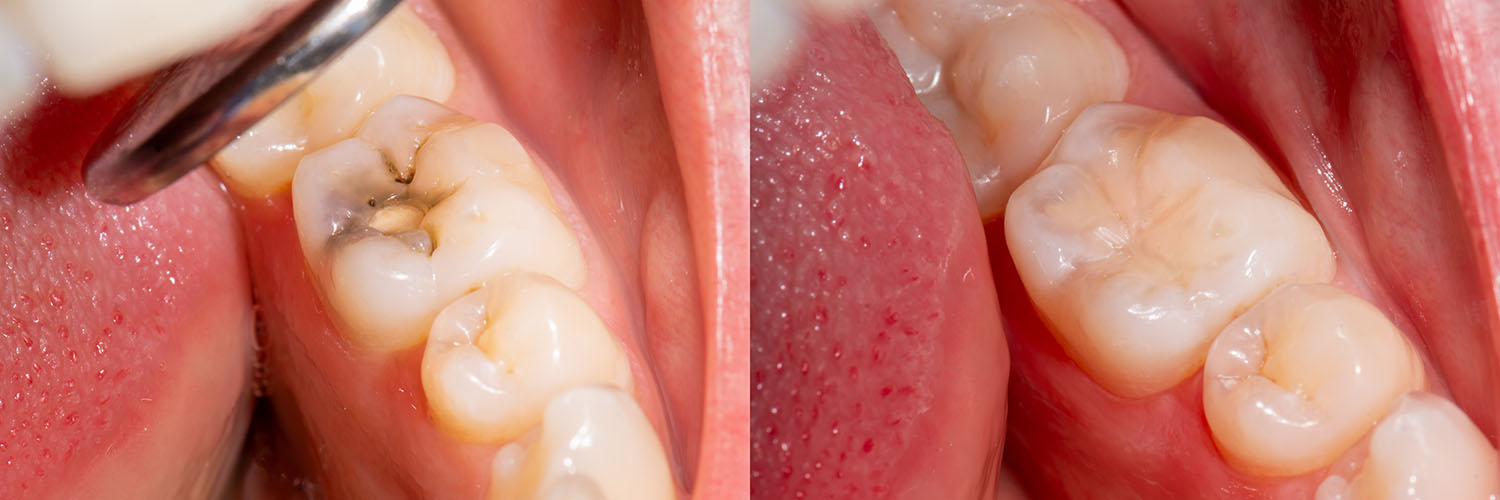
A filling appointment typically begins with an exam and any necessary X-rays to assess the size and location of the decay. Your dentist will explain the recommended approach and the reasons behind the chosen material, so you know what to expect before treatment begins.
>Local anesthesia is commonly used to make the procedure comfortable. Once numb, the dentist will remove decayed tissue using a dental handpiece, laser, or air-abrasion device depending on the situation and your preferences. The goal is to leave as much healthy tooth structure intact as possible while ensuring all weakened or infected material is eliminated.
>After the tooth is prepared, the selected filling material is placed and shaped to restore proper anatomy. For direct materials like composite or amalgam, placement is completed in the same visit. For indirect options such as ceramic inlays, the tooth is prepared and a custom restoration is fabricated in a laboratory before being bonded at a subsequent appointment.
>Treatments are adjusted carefully for comfort and function—your bite will be checked and polished so the restoration feels natural. If dental anxiety is a concern, ask about sedation options ahead of time so your visit can be planned to maximize comfort.
Following placement, your mouth may remain numb for an hour or two. During this time avoid chewing to prevent accidental biting of the cheek, lip, or tongue. Hot beverages and certain foods may feel different until sensation returns, so take care until the anesthesia wears off.
It is normal to notice transient sensitivity to temperature or pressure for a few days after a filling. This typically diminishes as the tooth settles and the nerves recover. If sensitivity persists or you experience sharp pain, contact our office so the situation can be evaluated and adjusted if necessary.
Good oral hygiene supports the life of any restoration. Brushing twice daily with a fluoride toothpaste, flossing daily, and attending regular dental check-ups help prevent new decay at the margins of fillings. Avoid habitually chewing ice or very hard objects, which can stress restorations over time.
>Not all changes to a filling require immediate replacement, but certain signs merit prompt evaluation. If you notice a crack, a persistent ache, a change in how a tooth feels when you bite, or staining around the edge of a filling, these can indicate wear, marginal leakage, or recurrent decay.
>In some cases, a filling can be repaired or exchanged for a more durable material. Larger or more complex problems may require an onlay, crown, or root canal therapy to fully restore function and comfort. Your dentist will review options and recommend the least invasive, most effective path forward.
We monitor restorations over time and make decisions based on the tooth’s condition, your oral health goals, and how the restoration is performing. If you have concerns about an older filling or notice changes in your bite, scheduling an evaluation sooner rather than later helps preserve tooth structure and avoid more extensive treatment.
If you have questions about fillings, the materials available, or what to expect during treatment, contact us for more information. Our team is happy to explain options and help you make an informed choice about your restorative care.
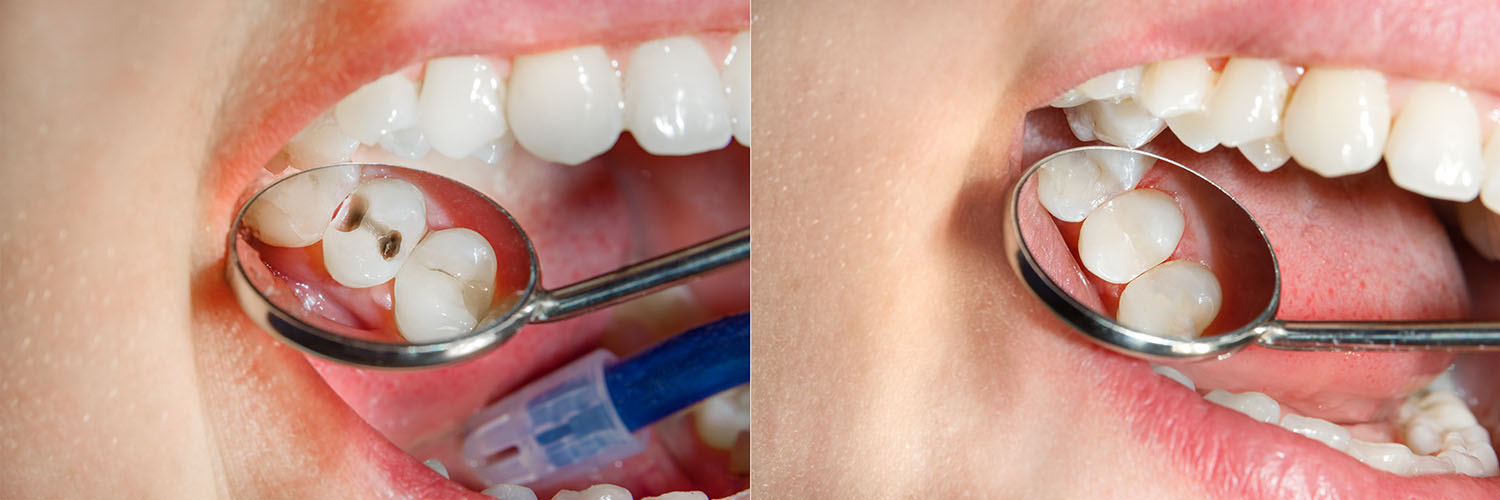


If the pleasure of eating a delicious bowl of ice cream or sipping a soothing cup of tea gets overshadowed by dental pain that makes you wince; it's time to contact our office. As skilled providers of care, we'll determine what's causing your discomfort and perform the treatment required to alleviate your symptoms and get you back on the road to oral health.
Cavities develop because of an infectious process that causes progressive damage to tooth structure. Despite starting as a pinpoint defect on the outermost enamel layer of your tooth, untreated dental decay progressively compromises more and more healthy tooth structure as it works its way to the inner layers of your tooth.
Yes, you can still develop tooth decay on other surfaces of the tooth, around the margins of an old filling, or in fewer instances, recurrent decay underneath it. For this reason, it's essential to maintain excellent oral hygiene, a diet low in sugary beverages and sweets, and be sure to visit our office for routine checkups and care. While tooth decay is second only to the common cold in frequency, it's almost entirely preventable.
We value the time and comfort of our patients. If cavities are located on adjacent teeth, or in the same section of your smile, it may be possible to treat more than one tooth during your visit. However, how much is done each visit depends on several factors. We keep our patients well informed and tailor every treatment plan and visit to address their unique needs.
Addressing concerns on the presence of elemental mercury in silver fillings, the American Dental Association (ADA), The Center for Disease Control and Prevention (CDC), the FDA, and the World Health Organization have all stated that amalgam restorations do not pose a risk to health. However, individuals with allergies or sensitivities to the metals in dental amalgam are advised to pursue other restorative options.
Dental fillings are performed under local anesthesia to help ensure your comfort throughout the entire procedure. The involved tooth remains completely numb for the extent of your visit. Within one or two hours after the procedure is completed, the local anesthetic will gradually wear off, and normal sensations return.
A tooth-colored composite filling is fully hardened and set by the end of your visit. However, we may advise you to wait a couple of hours until the local anesthesia has completely worn off. This advice is to help ensure you don't accidentally bite your lip, cheek, or tongue while still numb.
The lifetime of a dental filling varies depending on the type of material used. While popular dental materials can last a decade or more with proper care, they can degrade over time, wear down, or even break. When this happens, you may experience some tooth sensitivity, a jagged edge, or a loose or dislodged piece of filling material. Whatever the case may be, it's essential to get the filling replaced before the tooth sustains further damage or other consequences arise. Beyond taking good care of your smile to help ensure the longevity of your fillings, our office regularly checks the status of your existing fillings as part of a routine checkup exam.
Dental fillings are an essential investment that serves to preserve and protect the health of your smile. With that said, how much a filling costs depends on the number of surfaces of the tooth involved and the filling material that is used. Amalgam restorations are the most economical. While tooth-colored composite fillings have a slightly higher cost, they offer the added benefits of being metal-free and much more aesthetically pleasing. Ceramic fillings, inlays, and onlays are more expensive than the preceding options but provide outstanding, long-lasting, and natural-looking results.
Dental insurances typically cover the cost of dental fillings. While we work with you to maximize your insurance benefits, there may still be an out-of-pocket expense. At the office of Bella Vida Dental, we strive to help you begin care without any additional financial stress or delay.
Dental fillings are restorative materials placed in a tooth to replace decayed or damaged tissue and to restore normal form and function. A filling stops the progress of decay, rebuilds chewing surfaces, and helps preserve the natural alignment of surrounding teeth. Modern fillings are designed to balance durability with a natural appearance so they can repair function while remaining discreet.
The selection of a filling depends on the size and location of the defect, the forces the tooth endures when you chew, and aesthetic priorities. Fillings can be used for small to moderate cavities as well as to repair minor fractures or worn areas. When placed correctly, a filling can relieve sensitivity and prevent a minor problem from becoming more extensive.
Common signs that a tooth may need a filling include localized pain when biting, persistent sensitivity to hot or cold, a visible dark spot or hole, or a rough area on the tooth surface. Sometimes decay is detected only on dental X-rays or during a clinical exam before symptoms appear. Regular checkups help catch early decay so it can be treated conservatively.
If you notice a sudden change in how a tooth feels when you bite or if a filling becomes rough or discolored, schedule an evaluation promptly. Early intervention often allows for simpler restorations and preserves more healthy tooth structure. Your dentist will explain findings and recommend the least invasive option that restores function and comfort.
Common filling materials include composite (tooth-colored) resins, amalgam (silver-colored) restorations, glass ionomer cements, ceramic inlays and onlays, and gold restorations. Composites bond to tooth structure and are favored for visible teeth because they can be shade-matched, while amalgam has a long history of strength in high-stress posterior areas. Glass ionomer releases fluoride and is useful near the gumline or in primary teeth, and ceramic or gold options offer excellent durability for larger restorations.
Each material has trade-offs in terms of wear resistance, esthetics, and how much tooth structure must be removed during preparation. The choice is guided by the tooth’s location, the size of the defect, and your functional needs. Your dentist can describe the benefits and limitations of each option so you can make an informed decision.
A typical filling appointment begins with a focused exam and any necessary X-rays to evaluate the extent of decay and confirm the treatment plan. Local anesthesia is commonly used to ensure comfort, and the dentist will remove diseased tissue while preserving as much healthy enamel and dentin as possible. Direct materials such as composite or amalgam are placed and shaped in the same visit, while indirect restorations may require a second appointment for bonding a custom piece.
After the filling is placed, the occlusion is checked and adjusted so the bite feels natural, and the surface is polished for comfort and cleanliness. The dentist will explain any immediate aftercare instructions and what sensations to expect as the tooth settles. At Bella Vida Dental, we take time to review the chosen material and answer questions so patients understand the process.
After a filling, avoid chewing on the treated side while numb to prevent accidental biting of the cheek or tongue, and be mindful of very hot foods until normal sensation returns. It is normal to experience mild sensitivity to temperature or pressure for a few days as the tooth adjusts, and this usually resolves without intervention. If sensitivity persists or if you experience sharp pain, contact the office so the restoration and bite can be evaluated.
Long-term care for any restoration includes twice-daily brushing with fluoride toothpaste, daily flossing, and regular dental checkups to monitor margins for wear or recurrent decay. Avoiding habits such as chewing ice or using teeth to open packages can extend the life of fillings. Maintaining good oral hygiene and managing factors like grinding or high-sugar diets helps protect both the restoration and surrounding tooth structure.
The lifespan of a filling varies widely depending on the material, the size and location of the restoration, the patient’s bite patterns, and oral hygiene habits. Composite fillings often last many years in low-stress areas but may wear sooner in heavy-chewing zones, while ceramic, gold, or well-placed amalgam restorations can last decades under ideal conditions. Regular dental exams allow early detection of small problems so they can be addressed before becoming larger issues.
Factors that shorten a filling’s lifespan include bruxism (tooth grinding), poor oral hygiene, frequent consumption of acidic or sugary foods, and large restorations that weaken the remaining tooth. Timely maintenance, protective measures such as night guards for grinders, and prompt attention to any changes in bite or appearance can all prolong the functional life of a restoration. Your provider will recommend appropriate follow-up intervals based on your individual risk and the materials used.
It is common to experience short-term sensitivity to temperature or pressure after a filling as the tooth’s nerve recovers from the procedure, and this typically diminishes within days to a few weeks. In some cases an adjustment to the bite or additional treatment is needed if sensitivity persists or if the filling is placing uneven force on the tooth. Rarely, an immune or allergic reaction to a specific material can occur, and your dentist can evaluate alternatives if a material-related concern is suspected.
If you notice increasing pain, swelling, or persistent sensitivity that does not improve, contact your dental provider for assessment. These symptoms can indicate marginal leakage, recurrent decay, or involvement of the tooth’s pulp requiring further care. Early evaluation helps determine whether a repair, replacement, or more advanced treatment is necessary.
Signs that a filling may need attention include visible cracks or chipped edges, a change in how the tooth feels when you bite, persistent or worsening sensitivity, and staining or dark lines at the margin of the restoration. Small defects can sometimes be repaired conservatively, but larger breakdowns, recurrent decay beneath the filling, or structural compromise of the remaining tooth may require replacement or an alternative restoration such as an onlay or crown. Your dentist will assess the tooth and recommend the least invasive, most durable solution.
Decisions about repair versus replacement also consider the tooth’s overall condition, your oral health goals, and the expected longevity of different materials. Monitoring restorations at routine visits helps catch early wear and allows for simpler repairs when appropriate. Prompt evaluation of any change in a restored tooth helps preserve natural structure and avoid more complex treatments.
All commonly used dental materials have been extensively studied and are regulated for safety; selections are based on clinical indications, biocompatibility, and patient preferences. Amalgam has a long track record of clinical performance and is considered safe for many patients, while tooth-colored composites and ceramics offer aesthetic alternatives without metal. For patients with specific sensitivities, medical conditions, or esthetic concerns, dentists can suggest appropriate materials and modifications to minimize risks.
If you have questions about material safety, discuss them openly with your dental team so they can explain current evidence and why a particular material is recommended for your tooth. In specific situations such as pregnancy or certain medical histories, your dentist will tailor the approach to prioritize safety and comfort. Shared decision-making ensures the chosen solution meets both health needs and personal preferences.
For patients who experience dental anxiety, several strategies can improve comfort during a filling appointment, including clear explanation of each step, calming techniques, and local anesthesia to block sensation. The practice offers sedation dentistry and other comfort measures for patients who need additional support, and your dentist can discuss these options during the consultation so a personalized plan can be made. Taking time to address concerns beforehand helps ensure a more relaxed and controlled treatment experience.
Other helpful measures include scheduling shorter appointments, bringing a trusted companion, and using distraction techniques such as music or breathing exercises. Communication with the dental team about anxiety or past negative experiences allows the provider to adapt the pace and approach of care. With the right accommodations, most patients find restorations are completed comfortably and efficiently.

Ready to schedule your next dental appointment or have questions about our services?
Contacting Bella Vida Dental is easy! Our friendly staff is available to assist you with scheduling appointments, answering inquiries about treatment options, and addressing any concerns you may have. Whether you prefer to give us a call, send us an email, or fill out our convenient online contact form, we're here to help. Don't wait to take the first step towards achieving the smile of your dreams – reach out to us today and discover the difference personalized dental care can make.