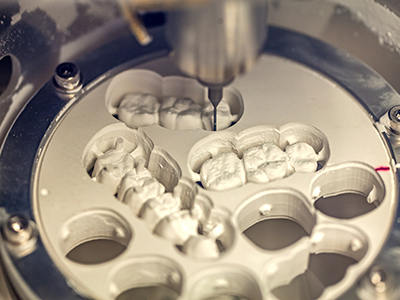
An on‑site dental laboratory transforms how restorative and prosthetic care is delivered. When the lab is part of the same practice, communication between clinicians and technicians becomes fluid: adjustments to shade, occlusion, and anatomical detail can be discussed in real time rather than through mailed notes or remote orders. That direct collaboration helps ensure restorations are both esthetic and functional, reducing guesswork and lowering the chance of multiple remakes. For patients, this translates into a smoother experience and a higher likelihood that the final result will match the treatment goals discussed with the dentist.
Beyond communication, having an in‑house lab supports tighter control over quality at every step of fabrication. Technicians who work regularly with the same clinicians develop a shared language and an intuitive understanding of the practice’s preferences and standards. This institutional knowledge speeds decision‑making, streamlines workflows, and helps the team produce consistent outcomes that reflect the practice’s standards for fit, form, and finish. In short, an on‑site lab is a force multiplier for clinical excellence.
From a patient’s perspective, the presence of a lab at the practice minimizes logistical friction. Changes in shade or contour that once required sending impressions away and waiting weeks can often be handled more efficiently on site. That responsiveness is particularly valuable for complex cases—such as full‑arch reconstructions or implant restorations—where multiple iterations and close technician‑dentist collaboration produce the best long‑term results.
The laboratory is not an isolated workshop; it’s an extension of the clinical team. When a clinician evaluates a patient and recommends a restoration—whether a crown, veneer, bridge, or denture—the lab contributes from the planning stage. Digital files, physical impressions, and clinical photographs are reviewed by technicians who provide input on material selection, shaping, and occlusal design. This integrated workflow ensures the proposed solution is tailored to the patient’s anatomy, functional needs, and esthetic expectations before fabrication begins.
Integration also means better coordination for complex rehabilitation cases. For multi‑unit implant work, for example, the lab collaborates on provisional designs that test function and esthetics, then refines final restorations based on those trials. When a dentist and technician speak the same procedural language, transitions from provisional to definitive prosthesis are more predictable and precise. That collaborative approach reduces unforeseen adjustments at insertion and supports more predictable clinical outcomes.
Patient records and digital scans are securely shared within the practice to maintain continuity of care. Because the technicians are familiar with the clinicians’ methods and the practice’s standards, customizations such as occlusal schemes, emergence profiles, and margin preferences are handled with consistency. This continuity benefits both routine cases and bespoke restorations that require a higher degree of customization and finesse.
A modern dental laboratory pairs traditional craftsmanship with advanced materials and digital technology. Whether working with high‑strength ceramics, zirconia, composite resins, or precision‑milled titanium for implant restorations, technicians combine material science with meticulous hand finishing to achieve natural appearance and durable performance. Understanding material properties—translucency, flexural strength, wear characteristics—guides decisions that match restorative goals to each patient’s functional needs.
Digital tools such as CAD/CAM design platforms, intraoral scan integration, and 3D printing complement skilled hands by increasing repeatability and precision. CAD software allows technicians to sculpt occlusion and anatomy in the virtual environment, while milling and sintering processes produce restorations with tight tolerances. When necessary, hand characterization and glazing add the finishing touches that make a restoration blend seamlessly with surrounding dentition.
High standards of fabrication also require rigorous handling and post‑processing protocols. Polishing, staining, and glazing are carried out with an eye toward both esthetics and biomechanical performance. These finishing stages are crucial for achieving long‑term serviceability, resisting staining, and maintaining comfortable contact relationships with opposing teeth. The blend of modern technology and artisanal skill defines what a well‑equipped dental lab contributes to restorative success.
Quality control is central to a reliable laboratory. Each restoration should pass through checkpoints that verify fit, margin integrity, occlusal relationships, and shade matching before it leaves the lab. In an on‑site environment, clinicians and technicians can review try‑ins together, make informed adjustments, and sign off on restorations with shared responsibility. These checkpoints reduce the likelihood of unexpected chairside modifications and support longevity by ensuring proper fit and function from the start.
Customization is another core strength of an in‑house lab. Standardized products have their place, but many patients benefit from individualized solutions that consider lip support, facial proportions, and smile dynamics. Technicians draw on clinical photos, patient input, and digital records to sculpt restorations that harmonize with each patient’s appearance. When customization is done with clinical insight and laboratory precision, restorations not only look natural but also integrate well with oral function over time.
Longevity springs from appropriate material selection, meticulous fabrication, and correct clinical execution. The lab contributes to each of these elements by advising on material choices for specific loading conditions, fabricating with consistent tolerances, and assisting clinicians with seating protocols and finishing adjustments. Together, these practices help maximize the useful life of restorations while preserving surrounding oral structures.
One practical advantage of an on‑site lab is the ability to provide timely repairs and adjustments. Accidents, wear, or minor fractures happen; when the laboratory is on the premises, technicians can assess and repair restorations more quickly than if work had to be sent to an external facility. Faster repairs mean less disruption to a patient’s daily life and reduce the time a temporary solution is needed. This responsiveness enhances overall satisfaction while keeping the focus on restoring comfortable function and esthetics.
Beyond repairs, the patient experience benefits from clearer communication and reduced visits. When technicians and clinicians collaborate in the same setting, patients can receive consolidated explanations about design choices and material options during appointments. That clarity helps patients feel informed and involved without introducing unnecessary technical complexity. The practice environment becomes a space where clinical care and laboratory craftsmanship are presented as a unified process.
Finally, an on‑site lab supports continuity in long‑term care plans. For patients undergoing multi‑stage treatment—such as implant placement followed by prosthetic rehabilitation—the laboratory remains a constant partner throughout the process. That continuity simplifies maintenance and future adjustments, and it gives clinicians a dependable resource when complex restorative decisions arise.
In summary, a dedicated dental laboratory on the premises elevates restorative care through closer collaboration, modern materials and technology, rigorous quality control, and a more responsive patient experience. By integrating clinical insight with skilled fabrication, the office creates restorations that are tailored, durable, and natural in appearance. If you’d like to learn more about how our in‑house lab supports personalized treatment planning and restoration options at Bella Vida Dental, please contact us for more information.


An on-site dental laboratory is a facility located within the dental practice where trained technicians fabricate and finish restorations such as crowns, bridges, veneers and dentures. Having the lab on site enables direct communication between clinicians and technicians during case planning and fabrication, which reduces the need for remote instructions and interpretation. This proximity helps align technical decisions with clinical objectives and minimizes back-and-forth remakes.
For patients the presence of an in-house lab often leads to fewer visits for minor adjustments because many issues can be resolved during try-ins or same-day refinements. Technicians who work regularly with a practice develop consistent approaches to shade, fit and occlusion that reflect the clinical team's preferences. Those shared standards contribute to a more predictable restorative process focused on fit, function and esthetics.
At Bella Vida Dental the laboratory functions as an extension of the clinical team, participating from diagnosis through final delivery and collaborating on material selection, anatomic form and occlusal design. Technicians review digital scans, physical impressions and clinical photographs to provide input that helps tailor restorations to each patient’s anatomy and functional needs. This early involvement aligns laboratory fabrication with the treatment plan before production begins.
During restorative procedures the lab supports provisional design, refines contours and advises on seating protocols to streamline transitions to definitive restorations. Regular communication between the dentist and technician allows immediate adjustments to shade, emergence profile and margins when necessary. That coordination supports consistent outcomes across both routine and complex cases.
Modern dental laboratories pair traditional hand finishing with advanced materials such as high-strength ceramics, zirconia, composite resins and precision-milled titanium for implant frameworks. Material selection is guided by properties like translucency, flexural strength and wear resistance to match restorative goals with each patient’s functional demands. Technicians assess these factors to choose materials that balance durability and esthetics.
Digital technologies such as CAD/CAM design platforms, intraoral scan integration and 3D printing increase precision and repeatability during design and fabrication. Milling, sintering and controlled glazing produce restorations with tight tolerances that reduce the need for chairside modification. Hand characterization and polishing are applied as needed to achieve natural texture and color blending.
Quality control in an on-site laboratory relies on checkpoints that verify fit, margin integrity, occlusion and shade before restorations are finalized. Clinicians and technicians can perform joint try-ins and make informed adjustments to reduce unexpected chairside modifications. These collaborative checkpoints create mutual accountability for the restoration's function and appearance.
Customization extends beyond shade matching to consider lip support, facial proportions and smile dynamics for each patient. Technicians use clinical photos and digital records to sculpt anatomy that harmonizes with surrounding dentition, rather than relying solely on standardized templates. When clinical insight guides customization, restorations integrate more naturally with oral function and esthetics.
Longevity of prosthetic work depends on appropriate material selection, precise fabrication and correct clinical execution, and the laboratory contributes to each of these elements. Technicians advise on materials suitable for specific occlusal loads and fabricate restorations within consistent tolerances to minimize premature wear or failure. Proper attention to margins and contact relationships helps protect adjacent teeth and periodontal tissues over time.
Finishing procedures such as polishing, staining and glazing improve stain resistance and reduce surface wear that can accelerate degradation. The lab can also recommend seating protocols and occlusal adjustments that enhance long-term stability. Together these measures help extend the useful life of restorations while preserving surrounding oral structures.
An on-site lab enables faster assessment and repair of fractured, worn or otherwise compromised restorations because technicians are available to examine the work directly. Minor fractures, occlusal refinements and polishing can often be completed more quickly than when cases must be shipped to an external facility. Shorter turnaround for repairs reduces disruption to a patient’s daily life and limits time spent using temporary solutions.
Having technicians nearby also simplifies communication about repair strategies and material compatibility, which reduces the likelihood of mismatches in shade or fit. For more complex repairs the clinician and technician can collaborate to design provisional solutions that test function before finalizing treatment. This responsiveness supports continuity of care and patient convenience.
Digital workflows streamline the restorative process by using intraoral scans, CAD design and precise milling to reduce interpretation errors associated with analog impressions. Digital files can be reviewed collaboratively by the clinician and technician, enabling earlier identification of potential fit or occlusal issues. Virtual planning often reduces the number of physical adjustments required during try-in appointments.
CAD/CAM technologies enable high reproducibility and predictable margins, which translate to better seating and reduced need for remakes. When combined with 3D printing for models or temporaries, digital tools support efficient prototyping of provisional restorations. Overall, digital integration enhances accuracy, patient comfort and workflow efficiency.
Patients can expect a coordinated process that typically includes digital or physical impressions, shade selection, provisional placement and one or more try-in appointments prior to final delivery. The laboratory interprets clinical data and produces models or restorations that reflect agreed-upon design choices, with technicians available to advise on adjustments during try-ins. Open communication about the steps involved helps set realistic expectations for timing and outcomes.
During try-ins clinicians and technicians may evaluate fit, occlusion and esthetics together and make adjustments before final glazing and polishing. If refinements are required the proximity of an on-site lab often makes same-day or next-visit modifications more feasible. This collaborative workflow aims to minimize surprises at the time of final delivery and to ensure the restoration meets functional and esthetic goals.
For implant-supported and full-arch reconstructions the laboratory plays a central role in designing provisionals, frameworks and definitive prostheses that support proper emergence profiles and occlusal schemes. Technicians work with implant-level scans, analog records and surgical guides to translate clinical plans into accurately fitting prosthetic components. Careful planning of abutment selection and framework materials helps distribute occlusal forces and protect implants and surrounding tissues.
Provisionals fabricated by the lab allow clinicians to test esthetics and function during the healing phase and provide feedback that informs the final design. The in-house team can iterate designs based on clinical trials to improve predictability when transitioning to definitive prostheses. This iterative approach reduces the risk of late-stage complications and supports long-term success for complex rehabilitations.
If you have questions about restorative alternatives or want to discuss how the on-site laboratory might influence your treatment plan, speak with our team at Bella Vida Dental so the clinician and lab can begin collaborative planning. A consultation that includes records, photographs and digital scans allows technicians to provide input on materials, provisional strategies and fabrication approaches tailored to your needs. This multidisciplinary review helps clarify options and anticipated clinical steps before production begins.
Our office is located at 4625 N Oracle Road #102 in Tucson, AZ, where the dental laboratory is integrated into routine care to support personalized restorations. During a visit clinicians and technicians can review records together to tailor solutions to your functional and esthetic goals. Contacting the practice will provide appointment options and next steps for personalized treatment planning.
Ready to schedule your next dental appointment or have questions about our services?
Contacting Bella Vida Dental is easy! Our friendly staff is available to assist you with scheduling appointments, answering inquiries about treatment options, and addressing any concerns you may have. Whether you prefer to give us a call, send us an email, or fill out our convenient online contact form, we're here to help. Don't wait to take the first step towards achieving the smile of your dreams – reach out to us today and discover the difference personalized dental care can make.