Many people avoid the dentist because the thought of treatment triggers stress, panic, or a strong gag reflex. If dental visits feel overwhelming, Bella Vida Dental offers professional sedation options designed to make care manageable and even comfortable. Our goal is to help you get the treatment you need without sacrificing safety, control, or clear communication with your dental team.
Sedation dentistry is a clinical approach that uses carefully selected medications to reduce anxiety and promote relaxation during dental treatment. Unlike local anesthesia, which blocks pain in a specific area, sedation affects your state of mind so you feel calm, less aware of the procedure, and in many cases have little recall of the experience afterward. This helps patients stay relaxed through longer or more complex visits.
One of the principal benefits of sedation is that it allows you and your dentist to focus on successful treatment rather than on fear. Sedation ranges from mild relaxation to deeper, closely monitored states of consciousness — always tailored to the patient’s medical history and the scope of the work. Throughout the visit, trained staff monitor vital signs and responsiveness to ensure comfort and safety.
Patients who use sedation commonly report a dramatic reduction in anticipatory anxiety. For many people, the knowledge that sedation is available makes scheduling and attending appointments far less stressful, which supports better long-term oral health and fewer missed visits.

Sedation is not reserved for a single type of patient. It can be appropriate for anyone who experiences significant anxiety about dental care, has an active gag reflex, or needs lengthy or multiple procedures completed in fewer visits. It also helps patients who find it difficult to remain still for treatment, including some people with physical disabilities or cognitive conditions.
Choosing sedation can transform the treatment experience: complex restorative work, extractions, implant placement, and extensive cleanings become more approachable when anxiety is managed. This matters because avoidance of dental care often leads to worsening conditions that then require more invasive treatment—sedation helps break that cycle by making care accessible.
At our practice, we prioritize patient-centered conversations about sedation. During your consultation we’ll review your medical history, discuss how sedation can help in your specific situation, and outline what to expect before, during, and after your appointment so you feel informed and secure.
There are several levels of sedation used in dentistry, each offering a different depth of relaxation. Minimal sedation lets you remain fully awake but more comfortable. Moderate (conscious) sedation produces a greater sense of detachment from the procedure while you remain able to respond to verbal cues. Deep sedation approaches a near-sleep state but is still carefully monitored so breathing and circulation are maintained.
It’s important to distinguish these office-based sedation approaches from general anesthesia used in a hospital setting. General anesthesia renders a patient fully unresponsive and is typically reserved for specific medical indications or procedures that cannot be safely performed in the dental office. Your clinician will recommend the least intensive option that will provide comfort and allow the procedure to proceed safely.
Throughout any sedated visit, trained professionals monitor your breathing, oxygen levels, and cardiovascular status. That vigilance, combined with individualized dosing and modern monitoring equipment, helps keep sedation safe and effective for most healthy adults.
Our practice offers several common and well-established sedation methods used in dental offices. The choice among these depends on factors such as the patient’s anxiety level, medical background, and the complexity of the planned treatment. Each method has its own profile for onset, duration, and recovery, and we’ll discuss the best match for your needs during your appointment.
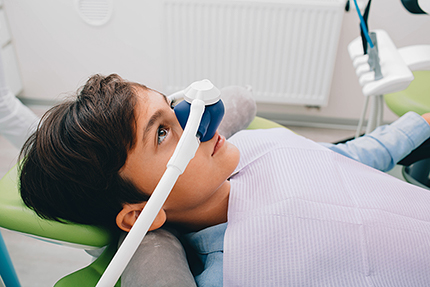
Nitrous oxide, often called "laughing gas," is a mild inhaled sedative combined with oxygen. It produces quick relaxation, its effects wear off rapidly when the gas is stopped, and it is ideal for easing mild to moderate anxiety and reducing gag reflex sensitivity during short to moderate-length procedures.
Oral sedation uses an anxiolytic tablet taken before your appointment to create a calm, drowsy state. Timing and dosing are individualized so you arrive relaxed and ready for care. Because oral sedatives can affect alertness, patients will need someone to accompany them to and from the office on the day of treatment.
IV sedation provides a deeper, quickly adjustable level of sedation delivered directly into the bloodstream. It is commonly used when greater control over the sedation depth is required for longer or more involved procedures. IV sedation is carefully titrated and monitored by trained clinicians throughout the appointment.
Safety is the top priority when providing sedation. Before any sedative is recommended, we review your full medical and medication history, current health status, and any potential interactions. This screening helps determine the safest option and identifies any special instructions you may need to follow prior to your appointment.
Preparation can include simple steps like arriving with a companion if required, following fasting guidelines for certain sedation types, and arranging for transportation home when necessary. During the procedure, continuous monitoring ensures your comfort and stability; afterward, you’ll be observed until it’s safe for you to leave under the care of your escort.
Most patients recover quickly from office-based sedation and experience minimal side effects when post-care instructions are followed. Our team will provide clear guidance for the recovery period and answer any questions so you can return to normal activities when it is safe to do so.
If dental fear or physical limitations have kept you from receiving the care you deserve, sedation dentistry can be a safe, effective way to regain control of your oral health. To learn more about sedation options and whether they are right for you, please contact us for additional information.
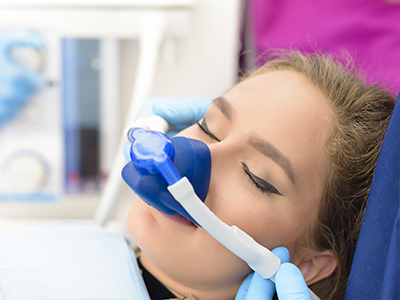

Sedation dentistry offers patients with general anxiety or fears about a dental procedure the opportunity to have a more comfortable and stress-free experience. By utilizing safe and controlled sedation techniques, the patient is eased into a state of complete relaxation before the procedure. This approach eliminates discomfort, pain, and preoperative anxiety, and typically makes patients feel more at ease post-operatively, as they have little or no memory of the actual moment-to-moment procedure.
Local anesthesia involves an injection directly into or close to the area where a procedure is being performed. While it eliminates any sensation of pain in the targeted area, it does not affect your state of mind or level of anxiety. When a patient receives sedation, additional medications to ease anxiety and promote relaxation are employed in advance of local anesthesia. In this way, both the stress and discomfort associated with a procedure are eliminated. Sedation can be administered in a variety of forms based upon patient needs and the recommendations of the dentist or dental anesthesiologist.
Choosing the most appropriate method of sedation for a procedure depends on a variety of factors such as a patient's medical history and their level of anxiety. Dental sedation can come in the form of nitrous oxide sedation, oral conscious sedation, and IV sedation. Certain patients receiving comprehensive treatment or undergoing a complex surgical procedure may require general anesthesia in a hospital setting.
Nitrous oxide, or "laughing gas," is a mild sedative, which is inhaled through a small mask over the nose. A standard in dental sedation for decades, the effects of nitrous oxide are almost immediate and wear off quickly once your procedure is completed.
Oral sedation involves the prescription of an oral medication prior to your appointment. Taken at the recommended time before your visit, oral sedation allows you to feel fully relaxed by the time you're ready for your procedure. With oral sedation, it's necessary to plan on having an escort to and from your dentist's office.
IV Sedation is administered intravenously, or directly into a vein. It is typically indicated when a deeper state of sedation is required. Your dentist will provide you with specific instructions before your visit, and require that you have an escort for the trip home from your appointment.
Sedation dentistry uses medications to reduce anxiety and promote relaxation so patients are calmer and more comfortable during dental treatment. Unlike local anesthesia, which numbs a specific area to block pain, sedation affects your level of consciousness and awareness rather than just sensation in one part of the mouth. Sedation can range from mild relaxation to deeper, closely monitored states where patients have limited recall of the procedure.
Different sedation approaches are chosen based on the procedure, patient health, and anxiety level to allow safe, efficient care. Sedation helps both patients and clinicians focus on treatment instead of fear, which can reduce the need for multiple short visits. At Bella Vida Dental, sedation decisions are personalized and always paired with careful monitoring and clear pre- and post-procedure instructions.
Good candidates for dental sedation include adults who experience significant anxiety, have a strong gag reflex, or need lengthy or complex procedures that would be difficult to tolerate while fully awake. Patients who have physical limitations or certain cognitive conditions that make it hard to remain still may also benefit from sedation to allow safe and effective treatment. A thorough medical history and consultation are essential to determine appropriateness and identify any factors that require special precautions.
Not every patient will require the same level of sedation, and clinicians select the least intensive option that will provide comfort and safety for the planned work. Children may be candidates for specific pediatric sedation protocols, but recommendations depend on age, health status, and the nature of the treatment. Your clinician will review alternatives, explain potential risks, and help you choose the most suitable approach for your needs.
Dentists commonly use three general levels of sedation: minimal, moderate (conscious), and deep sedation, each providing progressively greater relaxation and altered awareness. Minimal sedation leaves a patient awake and relaxed, moderate sedation produces a greater sense of detachment while preserving the ability to respond to verbal cues, and deep sedation approaches a near-sleep state with close monitoring of vital functions. The right level depends on the procedure's complexity, patient anxiety, and medical considerations.
Typical delivery methods in an office setting include inhaled nitrous oxide for mild anxiety relief, oral sedatives taken before the appointment, and intravenous (IV) sedation for rapid, adjustable control over sedation depth. Each method has a predictable onset, duration, and recovery profile, and clinicians will explain how the chosen option works and what to expect. Monitoring and individualized dosing help maintain safety across these approaches.
Preparation varies by sedation type, but common instructions include following fasting guidelines for certain medications, arranging transportation home, and bringing a responsible companion if required. You should provide a complete medical and medication history, including allergies, current prescriptions, supplements, and any previous reactions to sedatives or anesthesia. Being honest about alcohol or drug use and recent illnesses helps the team select a safe sedation plan.
On the day of the appointment, wear comfortable clothing and avoid heavy makeup or jewelry that could interfere with monitoring devices. Your clinician will review pre-procedure instructions and confirm arrival and recovery plans before administering any sedative. Detailed instructions reduce risk and help ensure a smooth, well-monitored experience from arrival through discharge.
Safety is the highest priority for any sedated visit, and dental teams use continuous monitoring of breathing, oxygen saturation, heart rate, and blood pressure to track a patient's status. Trained clinicians titrate medication doses carefully and observe responsiveness, airway patency, and circulation throughout the procedure. Office sedation protocols also include emergency equipment and staff trained in airway management and advanced life support.
Pre-procedure screening identifies conditions or medications that might require altered plans or additional precautions, and clinicians select the least intensive sedation that will allow treatment to proceed safely. Documentation of monitoring data and adherence to established sedation guidelines help maintain consistent standards of care. You should feel free to ask the team about the specific monitoring devices and staff qualifications used during your appointment.
Recovery time depends on the type and dosage of sedative used; inhaled nitrous oxide typically clears quickly after administration stops, while oral or IV sedatives can take longer to wear off. Most patients are observed in the office until they meet safety criteria for discharge, including stable vital signs and an adequate level of alertness. You will need a responsible adult to drive you home if the sedative affects your coordination or judgment.
Common, short-term aftereffects may include drowsiness, lightheadedness, dry mouth, or mild nausea, and these generally resolve within hours with rest and hydration. Your dental team will provide specific recovery instructions, including activity restrictions and signs to watch for that would warrant contacting the office. Following those instructions helps ensure a smooth recovery and reduces the chance of complications.
Like all medical interventions, sedation carries potential side effects and risks that vary by medication, dose, and individual health factors. Common short-term effects include drowsiness, nausea, and temporary memory gaps, while less common risks can involve respiratory depression or adverse reactions that require medical intervention. Thorough pre-procedure screening and careful dosing minimize these risks for most healthy patients.
Certain medical conditions and drug interactions can increase the likelihood of complications, which is why clinicians review your full history and may adjust or avoid specific sedatives when indicated. Informed consent is an important part of the process, and your provider will discuss anticipated benefits, possible side effects, and alternatives before any sedative is administered. If you have concerns about risks, ask your clinician for details tailored to your health profile.
Sedation affects memory and awareness differently depending on the type and depth of sedation. Minimal sedation typically leaves memory largely intact, while moderate sedation may produce partial or limited recall of events, and deeper sedation often results in little or no memory of the procedure. These effects can be beneficial for patients who prefer not to remember the experience or who find anticipation and recall particularly distressing.
The degree of amnesia is not guaranteed and varies among individuals, so clinicians set expectations based on the chosen method and your medical history. You will be counseled on what level of awareness to expect and how that may influence preparation, companion arrangements, and recovery. Clear communication before the appointment helps ensure you are comfortable with the planned sedation outcome.
Children and patients with special health needs may be candidates for specific sedation protocols, but suitability depends on age, developmental status, medical history, and the type of procedure. Pediatric sedation and care for medically complex patients often involve tailored dosing, specialized monitoring, and collaboration with medical providers when necessary. The goal is to provide safe, effective care while minimizing stress for the patient and family.
Because requirements differ from adult protocols, a detailed consultation is essential to determine the most appropriate approach and to address questions about fasting, supervision, and post-procedure care. In some cases, referral to a facility with pediatric or hospital-based anesthesia may be recommended when office-based options are not optimal. Discuss any chronic conditions, medications, or previous anesthesia experiences so the team can plan safely.
The selection of a sedation method begins with a comprehensive consultation that reviews your medical history, current medications, anxiety level, and the planned dental work. Clinicians weigh the procedure's complexity and expected duration against patient-specific factors to recommend the least intensive option that will ensure comfort and safety. The dental team will explain the rationale for their recommendation and describe what to expect before, during, and after the appointment.
Informed decision-making includes discussing alternatives, potential side effects, and practical considerations such as transportation and post-procedure assistance. Your provider will answer questions and modify the plan as needed to align with your health status and comfort preferences. If you would like a consultation to explore sedation options at our Tucson office, contact the practice to schedule a review of your needs and any necessary pre-visit instructions.

Ready to schedule your next dental appointment or have questions about our services?
Contacting Bella Vida Dental is easy! Our friendly staff is available to assist you with scheduling appointments, answering inquiries about treatment options, and addressing any concerns you may have. Whether you prefer to give us a call, send us an email, or fill out our convenient online contact form, we're here to help. Don't wait to take the first step towards achieving the smile of your dreams – reach out to us today and discover the difference personalized dental care can make.