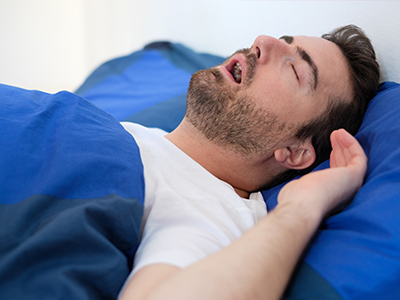
Sleep is one of the most important — and often overlooked — pillars of health. When sleep is fragmented by repeated breathing pauses, the body and brain cannot complete the restorative cycles necessary for memory, immune function, and cardiovascular health. Obstructive sleep apnea (OSA) is a common contributor to poor sleep: millions of adults experience airway collapse during sleep, which can lead to daytime fatigue, concentration problems, and increased risk for chronic conditions. At Bella Vida Dental, we focus on identifying and treating dental-related contributors to sleep-disordered breathing so patients can get safer, more restorative sleep.
Each episode of apnea or shallow breathing reduces oxygen levels and jolts the nervous system into brief arousal states. Over time, these repeated disturbances increase stress on the heart and blood vessels and can worsen blood pressure control. Patients with untreated sleep apnea are more likely to experience cardiovascular strain, insulin resistance, and mood changes that affect daily functioning. Understanding the broader health implications helps explain why evaluation and treatment are not simply about snoring — they’re about protecting overall health.
Beyond the measurable physiological effects, poor sleep quality has practical consequences that affect work performance, relationships, and safety. Excessive daytime sleepiness raises the risk of accidents, impairs decision-making, and diminishes quality of life. For many people, the ripple effects of untreated sleep-disordered breathing extend well beyond the bedroom and can compound over years if left unaddressed.
Recognizing the systemic impact of sleep apnea also informs treatment goals. Effective care aims not only to reduce snoring or breathing pauses but to restore regular sleep architecture and improve daytime functioning. This perspective guides how clinicians select diagnostic tools and therapeutic strategies that prioritize both safety and long-term wellness.
Sleep apnea often produces clear nighttime symptoms such as loud, chronic snoring, witnessed pauses in breathing, gasping or choking during sleep, and frequent awakenings. Bed partners are frequently the first to notice these signs, but individuals may be unaware of how often their breathing is interrupted if they sleep alone. Because the condition disrupts sleep quality, people commonly report morning headaches, dry mouth, and unrefreshing sleep even after a full night in bed.
Daytime effects are equally important to recognize. Persistent tiredness, trouble concentrating, mood swings, and a decline in motivation or memory can all point toward sleep-disordered breathing. These symptoms are often dismissed as stress or aging, but when they cluster with nighttime complaints, they warrant a formal evaluation. Early detection can prevent the progression of associated health risks and improve daily life.
Some risk factors increase the likelihood of obstructive sleep apnea, including excess neck tissue, certain jaw and airway anatomies, allergies, and nasal obstruction. Lifestyle contributors such as alcohol use near bedtime and sleep position can exacerbate symptoms. A careful history and oral examination can identify clues that suggest dental or structural contributors to airway compromise, helping guide the next steps in diagnosis and treatment.
Diagnosing sleep apnea typically begins with a detailed clinical evaluation that includes questions about sleep patterns, daytime symptoms, and medical history. Because objective data are crucial, sleep studies are commonly used to confirm the diagnosis and determine severity. In-lab polysomnography remains the gold standard for complex cases, while home sleep apnea testing offers a practical and validated option for many patients with suspected obstructive sleep apnea.
These studies measure breathing patterns, oxygen levels, and sleep stages to quantify the frequency and duration of apneas and hypopneas. Results help clinicians determine the severity of the disorder and whether additional medical evaluation is needed. Information from a sleep study also informs whether a patient is a good candidate for oral appliance therapy, CPAP, positional therapy, or a combination of approaches.
At the dental level, a comprehensive oral examination and imaging can identify anatomical features that contribute to airway collapse. Records such as dental impressions, bite relationships, and upper airway assessments allow dental professionals to work with sleep physicians in creating a coordinated, patient-centered care plan. Collaboration ensures that dental therapies complement medical recommendations for the best possible outcomes.
Treatment for sleep apnea is personalized based on severity, patient preference, and underlying anatomy. Continuous positive airway pressure (CPAP) is effective for many patients by providing pressurized air to keep the airway open during sleep, but adherence varies and some patients seek alternative or complementary options. Lifestyle measures, positional therapy, and managing nasal congestion can also reduce symptoms for certain individuals.
For patients with mild to moderate obstructive sleep apnea or those who cannot tolerate CPAP, oral appliance therapy offers a practical, dentist-led option. These devices reposition the lower jaw and tongue to maintain an open airway and are designed to be comfortable for nightly wear. Oral appliances are custom-made, adjustable, and monitored over time to ensure continued effectiveness and dental health.
Surgical and multidisciplinary options exist for anatomically complex cases, and a coordinated approach between dentists, sleep physicians, and ENT specialists ensures patients receive comprehensive care. The key is matching the intervention to the individual — taking into account sleep study results, medical history, and patient lifestyle to achieve sustained improvements in sleep quality and daytime function.
When an oral appliance is recommended, personalized care begins with an in-depth evaluation of the bite, jaw alignment, and airway anatomy. Precise impressions or digital scans create a model of the teeth that guides fabrication of a device tailored to the patient’s mouth. A custom fit enhances comfort and effectiveness while minimizing unwanted dental side effects.
After delivery, the appliance is carefully adjusted to achieve the optimal balance between opening the airway and preserving comfortable jaw position. Follow-up appointments are essential to measure symptom improvement, review sleep quality, and make incremental adjustments. Periodic monitoring also ensures dental stability, addresses potential changes in the bite, and maintains the long-term benefits of therapy.
At our Tucson practice, patients receive collaborative care that integrates dental expertise with sleep medicine standards. We strive to provide appliances that are both effective and unobtrusive so patients can sleep more soundly without compromising oral health. Ongoing communication with sleep physicians and regular reassessments help keep treatment aligned with evolving needs and health goals.
In summary, obstructive sleep apnea is a treatable condition with implications that reach far beyond snoring. Early recognition, accurate diagnosis, and individualized treatment—whether medical, dental, or a combination—can restore restorative sleep and improve overall health. If you suspect you or a loved one is affected, please contact us to learn more about the evaluation and treatment options available at Bella Vida Dental.


Obstructive sleep apnea (OSA) is a sleep-related breathing disorder in which the upper airway partially or completely collapses during sleep, causing repeated pauses in breathing. These interruptions fragment sleep and reduce blood oxygen levels, which can impair restorative sleep cycles and daytime alertness. Over time, recurrent oxygen desaturation and arousals can increase stress on the cardiovascular system and contribute to metabolic and mood disturbances.
Because sleep influences memory, immune function, and cardiovascular health, untreated OSA can have ripple effects beyond tiredness. Patients commonly report impaired concentration, morning headaches, and low energy, which may affect work performance and safety. Recognizing the condition as a systemic health issue helps prioritize timely evaluation and coordinated treatment.
Common nighttime signs include loud, chronic snoring, witnessed pauses in breathing, gasping or choking during sleep, and frequent awakenings. Daytime symptoms often include excessive sleepiness, difficulty concentrating, new or worsening mood changes, and unrefreshing sleep despite adequate time in bed. A bed partner is often the first to notice breathing pauses, but many people discover symptoms because of persistent daytime dysfunction.
Other clues that warrant evaluation are morning headaches, dry mouth on waking, and a decline in vigilance or memory that interferes with daily life. Certain anatomic or lifestyle risk factors, such as excess neck tissue, small or recessed jaws, nasal obstruction, alcohol use near bedtime, and sleeping on the back, can increase the likelihood of sleep-disordered breathing. When these symptoms or risk factors are present together, a formal assessment is recommended.
Diagnosis typically starts with a medical and sleep history plus an examination of the airway and oral structures. Objective testing is usually required to confirm the diagnosis and quantify severity; options include in-lab polysomnography and validated home sleep apnea testing for many patients. These studies record breathing, oxygen levels, and sleep patterns to determine how often and for how long events occur.
Results from a sleep study guide treatment selection and may indicate whether additional medical evaluation is necessary. In many cases, dental professionals and sleep physicians collaborate to interpret findings and develop a coordinated care plan. Understanding the severity and timing of breathing events helps clinicians match therapies to each patient's needs.
Dental professionals assess oral and jaw structures that can contribute to airway collapse, such as bite relationships, jaw position, and tooth alignment. A careful dental exam, digital scans or impressions, and upper airway assessment help identify dental or structural contributors to obstructive events. Dentists work with sleep physicians and ENT specialists when appropriate to ensure comprehensive, multidisciplinary care.
When oral appliance therapy is appropriate, the dentist designs, fits, and monitors the device, making incremental adjustments to balance airway improvement with dental comfort. Ongoing dental follow-up is important to monitor bite changes, tooth stability, and appliance fit while tracking sleep-related outcomes. This collaborative approach aims to maintain both airway function and oral health over time.
Oral appliance therapy uses custom-made, adjustable devices worn during sleep to reposition the lower jaw and tongue so the airway remains open. These appliances are typically small, comfortable, and designed for nightly use as an alternative or complement to other therapies. By advancing the jaw slightly forward, the devices reduce the tendency for the soft tissues to collapse and obstruct airflow.
Effectiveness varies with the severity and anatomic cause of obstruction, and clinical follow-up is necessary to optimize settings and monitor outcomes. Oral appliances are often recommended for patients with mild to moderate OSA or for those who have difficulty tolerating CPAP. Long-term success depends on careful customization, regular monitoring, and coordination with medical sleep care.
Suitability for an oral appliance depends on the severity of sleep apnea, the specific anatomy of the airway, and patient preference and tolerance. Patients with mild to moderate OSA or those who cannot tolerate CPAP often consider oral appliances as an effective option, provided their oral health and jaw function are appropriate. A sleep study and dental evaluation are essential to determine candidacy and set realistic expectations.
For patients with more severe OSA or complex medical conditions, CPAP or combined therapies may be recommended, and oral appliances can sometimes be used as an adjunct. Collaboration between the dentist and the treating sleep physician helps ensure the selected therapy aligns with clinical priorities and safety considerations. Individualized care planning leads to better adherence and outcomes.
Fitting begins with a detailed oral exam and either digital scanning or impressions to create a precise model of the teeth. The laboratory then fabricates a device tailored to the patient's bite and airway needs, and the dentist fine-tunes the appliance at the delivery appointment to balance comfort and airway opening. Initial adjustments are often made over several visits to optimize effectiveness and minimize jaw strain.
After the appliance is in regular use, periodic follow-up visits assess symptom improvement, side effects, and dental stability. Sleep metrics from follow-up testing or feedback from the patient and partner help guide further adjustments. Regular monitoring also protects dental health by checking for bite changes, tooth movement, or joint discomfort.
Some patients experience changes in bite, mild tooth movement, or temporary jaw discomfort while adapting to an oral appliance. These effects are generally gradual and can often be minimized through careful device design, conservative advancement, and regular dental follow-up. Dentists monitor for occlusal changes and address any emerging issues early to reduce long-term impact.
Reported side effects are weighed against the benefits of improved sleep and daytime function, and adjustments can be made to improve comfort or reduce dental effects. In rare cases where side effects are persistent or problematic, alternative therapies or modifications to the device may be explored. Ongoing communication between the patient and dental team is key to safe, effective therapy.
Treatment options for sleep-disordered breathing include CPAP, positional therapy, nasal and allergy management, weight management strategies, oral appliance therapy, and surgical interventions for selected anatomic issues. The best approach depends on the cause and severity of obstruction as revealed by diagnostic testing and clinical evaluation. Multidisciplinary care involving sleep physicians, dentists, and ENT specialists is important for patients with complex anatomy, severe disease, or limited response to initial treatments.
A coordinated plan ensures that medical and dental interventions complement one another and that safety and long-term outcomes are prioritized. When surgery is considered, input from the dental team helps anticipate changes in occlusion or airway dynamics. Shared decision-making based on objective data leads to more durable improvements in sleep quality and health.
At our Tucson practice we provide dental-focused airway assessments, custom oral appliance therapy, and coordinated care with sleep medicine specialists to support comprehensive treatment plans. Our team evaluates bite, jaw alignment, and oral health to identify contributors to airway collapse and to determine whether an oral appliance is an appropriate option. We emphasize careful fitting, objective follow-up, and ongoing communication with referring sleep physicians to align dental care with medical recommendations.
If you suspect sleep-disordered breathing, an initial consultation can clarify next steps such as referral for testing, suitability for an oral appliance, or collaboration with ENT and sleep medicine colleagues. Our approach aims to restore restorative sleep while maintaining oral health and function. To learn more about evaluation and treatment options available at Bella Vida Dental, please contact our Tucson office.

Ready to schedule your next dental appointment or have questions about our services?
Contacting Bella Vida Dental is easy! Our friendly staff is available to assist you with scheduling appointments, answering inquiries about treatment options, and addressing any concerns you may have. Whether you prefer to give us a call, send us an email, or fill out our convenient online contact form, we're here to help. Don't wait to take the first step towards achieving the smile of your dreams – reach out to us today and discover the difference personalized dental care can make.