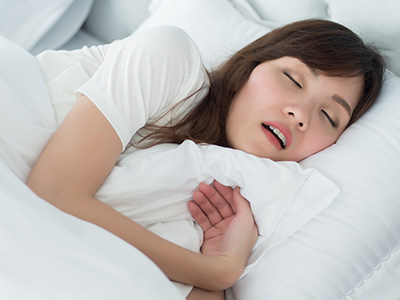
Snoring happens when the soft tissues in the upper airway vibrate as air moves past them during sleep. For many people it’s an intermittent nuisance; for others it becomes a nightly disruption that affects sleep quality for both the snorer and anyone sharing the same bedroom. While occasional snoring is common, persistent loud snoring can be a sign that the airway is partially blocked or that sleep-disordered breathing is present and should be evaluated.
National surveys show that snoring affects a large portion of adults, and its prevalence increases with age, weight, and certain health conditions. Not every person who snores has sleep apnea, but loud, frequent snoring is one of the common warning signs clinicians assess when screening for more serious sleep disorders. Understanding the difference between simple snoring and sleep-disordered breathing is the first step toward finding a safe, comfortable solution.
When conservative measures like changing sleep position or avoiding alcohol near bedtime aren’t enough, oral appliances designed to reduce snoring provide a proven, noninvasive option. These devices are custom-made to fit each patient’s mouth and can significantly reduce vibration in the throat by improving the flow of air. Below are deeper looks into what causes snoring, how specialists evaluate it, how oral appliances work, and what to expect from treatment.
Snoring arises when airflow through the nose and mouth is partly blocked, causing surrounding tissues to flutter. The blockage can be structural, such as nasal congestion or a deviated septum, or functional, such as relaxed muscles in the throat and tongue during sleep. The louder the noise, the greater the vibration — and sometimes the greater the potential for disturbed sleep and daytime fatigue.
Beyond the noise itself, habitual snoring can fragment sleep architecture. Repeated brief interruptions in breathing or airflow can leave a person feeling less rested, even if they don’t fully awaken. Over time, this can affect mood, concentration, and overall daytime performance. That’s why identifying contributors and addressing them early is beneficial to long-term health and wellbeing.
While snoring is often dismissed as merely a nuisance, treating it matters because it can disrupt a household’s quality of life and mask conditions that require medical attention. Evaluating snoring in context — considering symptoms, sleep patterns, and associated health risks — helps clinicians select the most appropriate and effective treatment path.
Several factors change how air moves through the upper airway and make snoring more likely. Nasal congestion from allergies or chronic sinus issues increases resistance to airflow and forces more breathing through the throat, which raises the chance of tissue vibration. Likewise, anatomical features such as a long soft palate, enlarged tonsils, or a large uvula can narrow the airway and intensify snoring sounds.
Muscle tone is another major factor. During deep sleep, throat and tongue muscles relax, which can allow the base of the tongue to drift backward and partially block the airway. Lifestyle and medication influences — including alcohol, sedatives, and even simple sleep deprivation — further reduce muscle tone and increase the likelihood of vibration. Sleeping on your back also promotes gravity-assisted collapse of soft tissues.
Age, weight, and certain medical conditions also play a role: excess tissue in the neck area, hormonal changes, or chronic inflammatory conditions can elevate risk. Because multiple factors often coexist, a thorough assessment is important so that treatment can address the root contributors rather than only the symptoms.
When a patient reports persistent snoring, the initial evaluation focuses on distinguishing primary snoring from sleep-disordered breathing such as obstructive sleep apnea (OSA). A careful medical history, questions about daytime sleepiness, bedpartner observations, and an examination of the nose, mouth, and throat provide essential clues. If suspected, the clinician may recommend a formal sleep study or an at-home monitoring test to measure breathing, oxygen levels, and sleep patterns.
In many cases, dental professionals collaborating with sleep physicians play an important role. Dentists trained in sleep medicine can assess oral anatomy, discuss appliance options, and coordinate care when further testing or medical management is necessary. This collaborative approach ensures that devices prescribed for snoring do not overlook coexisting conditions that require medical treatment.
Screening also includes evaluating how snoring affects daily life. Questions about daytime fatigue, concentration, headaches, or mood changes help determine urgency and guide treatment choices. The goal of the evaluation is practical: find a safe, evidence-based plan that improves breathing and sleep quality while fitting each patient’s lifestyle.
Oral appliances for snoring are small, removable devices worn during sleep that reposition the lower jaw and sometimes the tongue to open the upper airway. Unlike one-size-fits-all solutions, custom-fabricated appliances are made from dental impressions or digital scans to match an individual’s bite and ensure a comfortable, secure fit. This precision improves effectiveness and long-term tolerance compared with over-the-counter options.
The mechanism is straightforward: by gently advancing the lower jaw, the appliance reduces collapsibility of the soft tissues and creates a more favorable airway shape. This reduces tissue vibration and the volume of snoring. For many primary snorers, a well-fitted oral appliance produces noticeable decreases in sound and fewer sleep interruptions, restoring a more peaceful night for both the patient and their partner.
Because oral appliances are noninvasive, reversible, and easy to use, they’re an attractive first-line option for many patients who do not have severe sleep apnea. They’re also a credible alternative for people who cannot tolerate continuous positive airway pressure (CPAP) therapy or who prefer a less cumbersome solution that still offers reliable results when properly fitted.
Fitting a custom snoring appliance begins with an oral exam and impressions or digital scans. The device is fabricated to align with your bite and deliver the right amount of jaw advancement for comfort and effectiveness. At the delivery appointment, adjustments are made to fine-tune fit and jaw position; these early refinements are important for comfort and for reducing side effects like jaw soreness or tooth pressure.
Follow-up visits allow the clinician to monitor progress, make gradual adjustments, and check for dental or jaw-related issues. Periodic evaluations also ensure the appliance continues to fit well, especially if there are changes in dental status or weight. Patients are usually advised on nightly use, cleaning routines, and storage to maximize longevity and hygiene.
Most people notice improvements within a few nights to weeks, but consistent use and follow-up deliver the best outcomes. The practice takes a conservative, patient-centered approach, combining careful assessment with individualized device selection so that improvements in snoring are sustainable and compatible with overall oral health.
At Bella Vida Dental, our team works with patients to explore whether a custom oral appliance is the right choice based on clinical findings and personal preferences. If you’re experiencing persistent snoring or suspect it may be affecting your sleep quality, contact us for more information and to discuss your options with a knowledgeable clinician.


Snoring occurs when airflow through the nose and mouth causes soft tissues in the upper airway to vibrate during sleep. Structural factors such as nasal congestion, a deviated septum, enlarged tonsils, or a long soft palate can narrow the airway and increase vibration. Functional contributors include relaxed throat and tongue muscles, alcohol or sedative use, sleeping position, and excess tissue in the neck associated with weight or age.
Beyond the audible noise, habitual snoring can fragment sleep and reduce restorative sleep stages, which may cause daytime sleepiness, impaired concentration, and mood changes. Loud, frequent snoring can also be an indicator of sleep-disordered breathing that requires evaluation to rule out obstructive sleep apnea. Identifying the underlying causes helps clinicians recommend treatments that address airway function rather than only masking symptoms.
Primary snoring is vibration of the soft tissues without significant pauses in breathing or drops in oxygen levels, whereas obstructive sleep apnea (OSA) involves repeated episodes of partial or complete airway collapse that interrupt breathing. Patients with OSA often experience marked daytime sleepiness, witnessed apneas, gasping awakenings, and measurable oxygen desaturations on sleep testing. Not everyone who snores has OSA, but loud, frequent snoring is a common warning sign that prompts further screening.
Distinguishing the two conditions typically requires a focused history, bedpartner observations, and, when indicated, formal sleep testing such as an in-lab polysomnogram or a validated home sleep apnea test. This differentiation is important because OSA can increase risks for cardiovascular disease, metabolic dysfunction, and daytime impairment and may require therapies beyond oral appliances. Working with medical sleep specialists ensures a comprehensive assessment and appropriate treatment plan when sleep-disordered breathing is suspected.
Ideal candidates for a custom snoring appliance are adults who experience primary snoring or mild to moderate obstructive sleep apnea and who prefer a noninvasive option or cannot tolerate CPAP therapy. Suitability depends on oral anatomy, dental health, the presence of sufficient teeth to retain the device, and the absence of severe temporomandibular joint dysfunction. A thorough evaluation by a clinician trained in dental sleep medicine helps determine candidacy and rules out conditions that require other interventions.
Patients with severe OSA, uncontrolled medical problems, or certain dental limitations may need alternative or adjunctive treatments, so coordination with a sleep physician is often part of the decision-making process. Those considering an appliance should be prepared for a fitting process, follow-up care, and periodic reassessment to ensure both effectiveness and oral health preservation. Shared decision-making based on diagnostic findings and patient preferences leads to the safest and most effective treatment choice.
Custom snoring appliances are oral devices worn during sleep that reposition the lower jaw and sometimes the tongue to enlarge and stabilize the upper airway. By gently advancing the mandible, these devices reduce the tendency of soft tissues to collapse and vibrate, which lowers snoring noise and improves airflow. Because they are made from dental impressions or digital scans, custom appliances fit the patient’s bite precisely and offer better comfort and retention than over-the-counter options.
The devices are noninvasive, reversible, and designed for nightly use, making them an attractive first-line option for many primary snorers and some patients with mild to moderate sleep-disordered breathing. Their effectiveness depends on proper design, fit, and ongoing adjustments, which are managed through follow-up appointments. When used appropriately, oral appliances can restore quieter, less fragmented sleep for patients and their partners.
The fitting process begins with an oral exam and impressions or intraoral digital scans to capture the exact contours of your teeth and bite. The laboratory fabricates a device tailored to those records, and the delivery appointment includes careful adjustment of jaw advancement to balance comfort and airway opening. Initial appointments also focus on instructions for nightly use, cleaning, and positioning to promote consistent results.
Follow-up visits are important to fine-tune fit, address soreness or tooth pressure, and monitor for changes in bite or jaw comfort. Many clinicians make gradual adjustments over several weeks to optimize effectiveness while minimizing side effects. Periodic reassessment ensures the device continues to function well as dental status or medical conditions evolve.
Common, usually temporary side effects include jaw soreness, tooth sensitivity, increased salivation, or minor changes in bite alignment that can occur as the mouth adapts to the appliance. Most of these effects improve with short-term use or minor adjustments, but persistent discomfort or bite changes should be evaluated promptly. Rare complications may include worsening of temporomandibular joint symptoms or dental problems if the device is ill-fitting or not properly monitored.
To minimize risks, clinicians perform a baseline dental and jaw assessment before prescribing an appliance and schedule follow-up appointments to monitor comfort, dental integrity, and therapeutic response. Patients should report new or worsening jaw pain, persistent tooth mobility, or significant bite changes so adjustments can be made. Proper fabrication, conservative advancement, and ongoing care maximize benefits while reducing the chance of adverse effects.
Effectiveness varies by individual anatomy and the underlying cause of snoring, but many patients notice a reduction in snoring volume and frequency within nights to a few weeks of consistent use. Clinical studies show that properly fitted oral appliances can significantly decrease snoring and improve sleep quality for many primary snorers and for some patients with mild to moderate OSA. The degree of improvement depends on correct appliance selection, fit, and adherence to nightly wear.
Because response varies, clinicians often use partner reports, patient-reported sleep measures, and, when appropriate, objective testing to evaluate outcomes. Follow-up adjustments can enhance effectiveness, and periodic reassessment ensures continued benefit over time. Long-term success relies on regular use, routine maintenance, and communication with your clinician about any changes in symptoms.
Daily cleaning with a soft toothbrush and nonabrasive soap or a manufacturer-recommended cleaner helps prevent buildup of plaque and odors and preserves the appliance’s fit and lifespan. The device should be rinsed after each use, stored dry in its case, and kept away from heat sources that can warp the material. Avoid abrasive denture cleaners or whitening agents that can damage the appliance surface.
Regular dental checkups provide opportunities to inspect the appliance for wear, verify continued fit, and assess oral health while using the device. Replace or repair the appliance as recommended by your clinician or the manufacturer to maintain effectiveness and hygiene. Proper care reduces the risk of oral irritation and prolongs the functional life of the device.
In some cases, a snoring appliance is most effective when used alongside lifestyle changes such as weight management, positional therapy, reduction of alcohol or sedative use before bedtime, and treatment of nasal congestion. Patients with moderate to severe obstructive sleep apnea may require CPAP, positional devices, or surgical consultation in addition to or instead of an oral appliance, depending on diagnostic testing and medical risk. Collaboration between dental clinicians and sleep physicians ensures coordinated care when multiple interventions are needed.
Decisions about combined treatment are guided by sleep study results, symptom burden, comorbid medical conditions, and patient preferences. A staged approach often begins with conservative measures and oral appliance therapy when appropriate, with escalation to other modalities if objective testing or symptoms indicate inadequate control. Ongoing communication among providers helps tailor a safe, effective, and patient-centered plan.
The office typically begins with a focused history and oral examination to distinguish primary snoring from possible sleep-disordered breathing and to document dental and jaw status before treatment. When indicated, clinicians coordinate with sleep physicians for diagnostic testing or collaborative management to ensure comprehensive evaluation and safe device use. Baseline records, impressions or digital scans, and clear instructions for use set the stage for successful therapy.
Follow-up visits allow for progressive adjustments, monitoring of symptom improvement, and assessment of any dental or jaw-related effects. Periodic reassessment, often at defined intervals during the first year and then annually, helps confirm ongoing benefit and detect changes that require modification. Patients who have concerns or new symptoms are encouraged to contact the practice promptly for reevaluation and care.

Ready to schedule your next dental appointment or have questions about our services?
Contacting Bella Vida Dental is easy! Our friendly staff is available to assist you with scheduling appointments, answering inquiries about treatment options, and addressing any concerns you may have. Whether you prefer to give us a call, send us an email, or fill out our convenient online contact form, we're here to help. Don't wait to take the first step towards achieving the smile of your dreams – reach out to us today and discover the difference personalized dental care can make.